June 10, 2026, Flood Map Update: Don’t Get Caught Off Guard
On June 10, 2026, FEMA is officially updating its flood maps for all of Honolulu County. This isn't just "government paperwork." For thousands of us, it means our homes are being moved into new high-risk zones, which changes everything from our monthly mortgage payments to what we can do with our property.
Here is the breakdown of what’s happening and how you can stay ahead of the curve.
The "So What?" — Why This Matters to You
For most Oʻahu homeowners, the June 10, 2026, map update comes down to two things: Money and Rules.
- Mandatory Insurance: If your home is moved into a Special Flood Hazard Area (SFHA)—which includes any zone starting with the letters A or V—and you have a federally backed mortgage, flood insurance is no longer optional.
The Zones: This includes Zones A, AE, AH, AO, AR, A99, V, and VE.
The Loan Types: If you have an FHA, VA, USDA, or Conventional loan (including those sold to Fannie Mae or Freddie Mac), your lender is legally required to ensure you have a flood policy in place to protect the collateral.
The Cost: Since your regular homeowners' policy doesn't cover floods, this is a brand-new monthly bill that your bank will likely require you to escrow (pay as part of your monthly mortgage payment).
- The "Grandfather" Phase-Out: Many older Waikiki buildings have been "grandfathered" into lower rates based on maps from the 1980s or 90s. With the new maps, these older subsidies are being phased out. If the new map shows a higher risk for your street than the old one did, your building loses its historical protection and must move toward a "Full Risk" rate.
- Building Restrictions: Being in a flood zone means the City has stricter rules on renovations. If you do a renovation that costs more than 50% of the market value of the unit, the City & County of Honolulu will require the entire unit to be brought up to the new June 10, 2026, building codes.
4 Steps to Take Right Now (Be Proactive!)
Don't wait for a stressful letter from your bank. Take these steps today to keep your costs down:
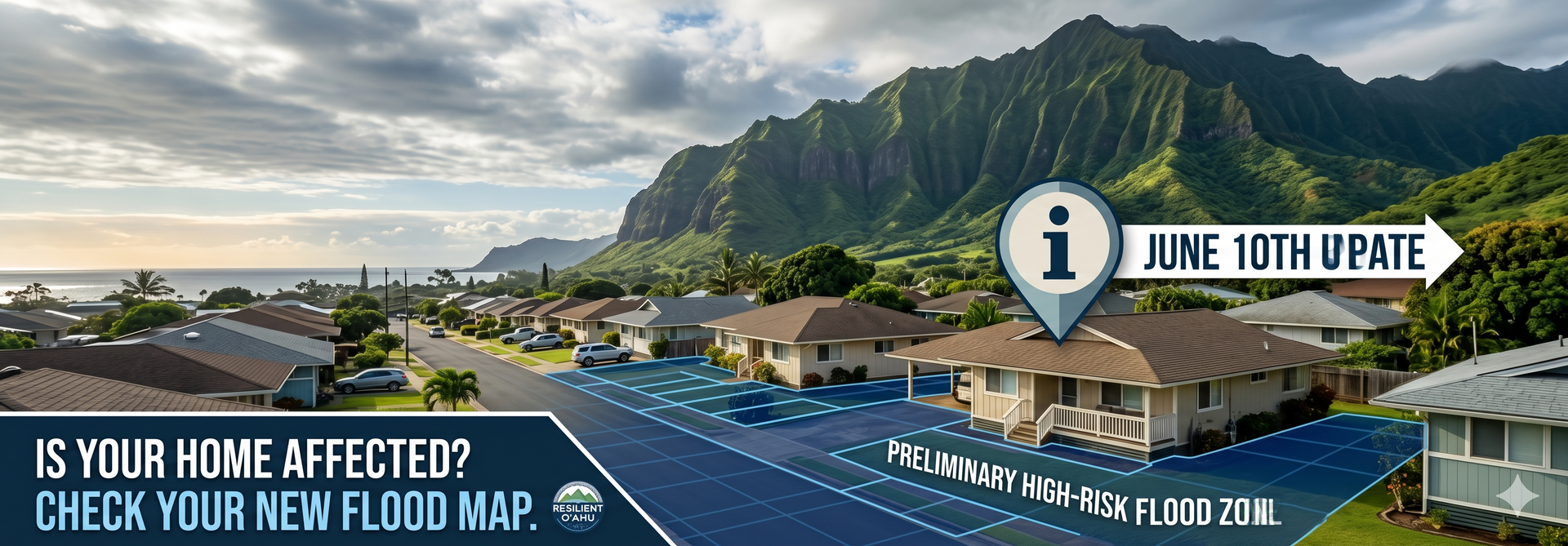
See Where You Stand: Knowledge is power. You can actually see the "Before and After" of your property right now. The Best Local Tool: Head over to Resilient Oʻahu’s Map Slider. You can slide the map back and forth to see if your specific street is moving into a new zone on June 10.
Snag the "Newly Mapped" Discount: If your home is being moved into a high‑risk zone for the first time, you may qualify for FEMA’s Newly Mapped Discount—which can save you up to 70% on your initial premium—but you must act within 12 months of the map change, so call your insurance agent before June 10 to lock it in.
Document Everything: The 2026 floods were a wake-up call. Take photos of your home’s foundation and where your AC unit and water heater sit. If they are elevated above the ground, you might qualify for a Mitigation Discount (another 5% off!).
Condo Owners: Talk to Your Board: If you live in a building, your AOAO is likely already talking about this. Master policy premiums for the whole building could go up, which might mean a hike in your monthly maintenance fees. Ask your board how they’re preparing for the June 10th update.
How This Affects Your Property Value
It’s the question every owner asks: "Will my home be worth less?"
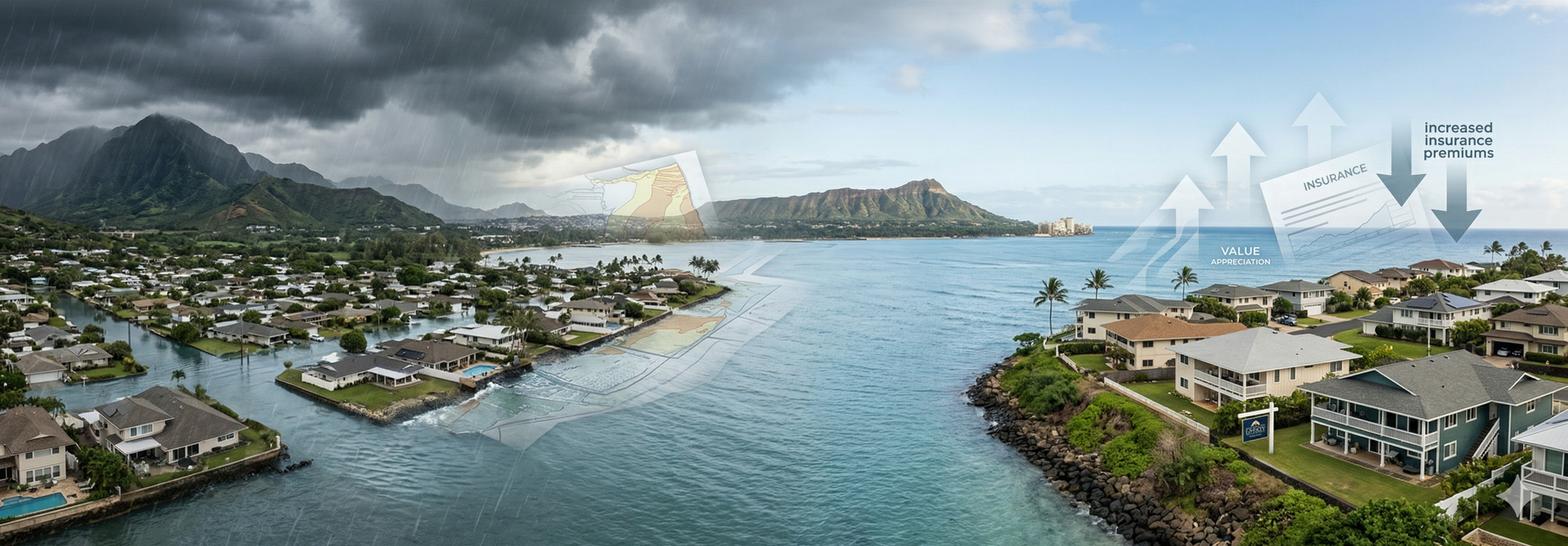
Statistically, properties moved into high-risk flood zones can see a dip in resale value—sometimes as much as 10% to 15%—simply because the "cost of ownership" (insurance + maintenance fees) has gone up. Buyers calculate these extra monthly costs into their offer price. However, in a tight market like Honolulu, desirability often outweighs these fees if you can prove the home is protected and the costs are managed.
Thinking of Selling? An "Outside the Box" Strategy
If you were already considering a move, the June 10 deadline adds a layer of complexity. Here is a creative way to navigate it:
The "Discount Transfer" Strategy Did you know that FEMA allows you to transfer your flood insurance policy (and its discounts) to a new buyer?
- The Play: Instead of letting the buyer shop for a new, full-priced policy, you can "assign" your existing policy with the Newly Mapped Discount to them at closing.
- The Value: This makes your property much more attractive than the unit next door because you are essentially handing the buyer a massive "coupon" for lower insurance rates that stays with the property. It’s a powerful negotiating tool that can help protect your asking price.
Need a Strategy Session? If you're thinking of selling,
let’s chat about how to navigate through these challenges.
Quick Resource Guide
- Resilient Oʻahu: Best for seeing the map changes on your specific street.
- FloodSmart.gov: Best for understanding what flood insurance actually covers.